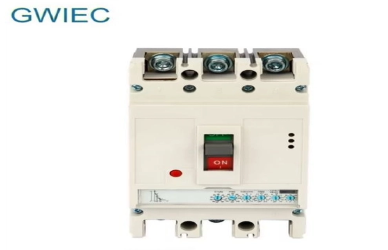
A Mould Case Circuit Breaker (MCCB) is a type of electrical protection device used to prevent damage to electrical circuits from overcurrents, short circuits, and other faults. It automatically interrupts the flow of electricity when it detects conditions that could cause harm to the system, such as excessive current or a short circuit. MCCBs are widely used in industrial, commercial, and residential electrical systems due to their ability to handle high currents and provide adjustable protection settings. Understanding whether an MCCB can be reset after tripping is crucial for proper maintenance and ensuring ongoing system protection. While most MCCBs can be manually reset after tripping, knowing the cause of the trip and resolving any underlying issues is essential before resetting to prevent further damage or safety hazards.
How Does an MCCB Trip?
A Mould Case Circuit Breaker (MCCB) is designed to protect electrical circuits from damage caused by overloads, short circuits, and other electrical faults. The breaker automatically trips (interrupts the circuit) when it detects conditions that could harm the system, helping to prevent fires, equipment damage, and electrical hazards. Here's an overview of the tripping mechanism and the different causes of tripping:
1. Protection Against Overloads
Overload protection is the most common cause of an MCCB tripping. An overload occurs when the electrical current exceeds the rated capacity of the circuit for a prolonged period.
MCCBs are equipped with thermal mechanisms that sense the heat generated by the excessive current. If the current remains above the rated value for a certain time, the breaker trips to prevent overheating, which could damage wiring and components.
Thermal trip characteristics are adjustable in many MCCBs, allowing the user to set the delay time before tripping based on the application’s needs.
2. Protection Against Short Circuits
A short circuit occurs when there is a direct connection between two conductors of different potential (such as a hot wire touching a neutral or ground wire), causing a massive surge of current.
Magnetic trip mechanisms within the MCCB respond to this rapid increase in current by tripping the breaker almost instantly. The magnetic mechanism detects the sharp increase in current and activates a spring-loaded trip mechanism to disconnect the circuit in milliseconds.
This quick response is essential in preventing damage to electrical equipment and ensuring user safety.
3. Protection Against Temperature-Related Issues
In addition to overcurrent and short-circuit conditions, temperature changes can also affect the operation of an MCCB.
High ambient temperatures can reduce the ability of the MCCB to dissipate heat, leading to overheating and potential failure. This may cause the breaker to trip, even if the current is within acceptable limits.
Some MCCBs are designed with temperature compensation features to ensure proper functioning in higher temperature environments, adjusting their trip settings as necessary.
Can an MCCB Be Reset?
Yes, Mould Case Circuit Breakers (MCCBs) can be reset after tripping, but the process and safety considerations vary depending on the type of breaker and the cause of the trip. Understanding how to safely reset an MCCB is crucial to ensuring the protection of both the electrical system and its users.
1. Manual Reset
Most MCCBs can be reset manually after they trip. This process typically involves flipping the MCCB switch back to the ON position once the cause of the trip has been resolved.
Steps to Reset:
Identify the cause of the trip (e.g., overload, short circuit).
Clear the fault by fixing any issues, such as disconnecting overloaded devices or repairing short circuits.
Flip the switch from the OFF to the ON position to restore power.
Manual Reset Importance: A manual reset ensures that the breaker is actively checked before being re-engaged. This minimizes the risk of resetting the breaker without addressing the fault, which could lead to further damage or hazards.
2. Automatic Reset
Some specialized MCCBs are equipped with automatic reset features, which allow the breaker to reset itself after tripping, typically after a pre-set time delay. This feature is more commonly found in applications where interruptions should be minimal, such as in certain industrial systems or where brief fault conditions are expected to clear themselves quickly (e.g., temporary motor overloads).
How Automatic Reset Works: After the breaker trips, it will automatically attempt to close and reconnect the circuit after a short delay, allowing the system to continue running without human intervention.
Limitations: Automatic reset MCCBs are less common than manual ones and may not be suitable for applications where persistent faults or serious electrical issues could be present.
3. Safety Considerations
Before resetting an MCCB, it is crucial to identify and resolve the underlying cause of the trip. Simply resetting the breaker without addressing the fault can result in:
Recurrent Tripping: If the issue isn’t fixed (e.g., an overload or short circuit persists), the breaker may trip again, potentially causing more damage.
Fire Hazards: An unresolved short circuit or overload could overheat the wiring, posing a fire risk.
Equipment Damage: Repeated trips due to unresolved issues can lead to long-term damage to both the MCCB and the connected equipment.
Therefore, before resetting:
Check the circuit for any faults, such as short circuits, faulty devices, or wiring issues.
Ensure the load is within the specified limits and that there is no persistent overload.
Verify the environment (e.g., high temperatures or humidity) that could affect the MCCB’s performance.
Steps to Reset an MCCB
Resetting a Mould Case Circuit Breaker (MCCB) is simple, but it's important to follow the right steps to ensure safety. Here’s a concise guide on how to reset an MCCB and why verifying the system condition is essential.
1. Identify the Cause of the Trip
Before resetting, determine why the MCCB tripped. Common causes include:
Overload: Excess current for too long.
Short Circuit: A surge in current due to a direct connection between conductors.
Faults: Issues like damaged wiring or faulty equipment.
Action: Inspect the system and fix any problems (e.g., disconnect overloaded devices or repair faults).
2. Disconnect Faulty Equipment
Make sure to disconnect any overloaded devices or faulty equipment from the circuit before resetting.
Action: Address the cause of the trip, such as disconnecting equipment causing an overload or a short circuit.
3. Check for Visible Damage
Inspect the MCCB and the surrounding wiring for visible damage, such as:
Burn marks or overheating signs.
Loose connections or damaged components.
Action: If you find damage, do not reset the breaker. Have a professional inspect it.
4. Reset the MCCB
Once the fault is cleared and everything is safe, reset the MCCB by flipping the switch from OFF to ON.
Action: Ensure the switch moves securely to the ON position.
5. Monitor the System
After resetting, watch for any unusual signs like:
The breaker tripping again.
Unusual noises or sparking.
Action: If the breaker trips again, turn it off and investigate further.
6. Test the Circuit
Gradually restore power by testing the circuit, starting with low-load devices and increasing load slowly to check for proper function.
Action: Monitor for any signs of instability.
When Should You Not Reset an MCCB?
It’s important to know when it’s unsafe to reset an MCCB. Here are the situations where resetting should be avoided:
1. When the Breaker Trips Repeatedly
If the MCCB trips repeatedly, it indicates a persistent issue. Continuously resetting the breaker can cause:
Overheating or fire risks.
Damage to the system or equipment.
Action: Do not reset the breaker and investigate the cause of the repeated trips.
2. When the Fault Isn’t Resolved
If the underlying fault (e.g., overload, short circuit) hasn’t been fixed, resetting the breaker will not solve the problem.
Overloads: Ensure devices are not drawing excessive current.
Short Circuits: Look for damaged or shorted wiring.
Faulty Equipment: Check connected devices for malfunctions.
Action: Resolve the fault before resetting the MCCB.
3. Common Troubleshooting Steps
Before resetting the MCCB, follow these steps:
Check for Faults: Inspect for short circuits or faulty devices.
Inspect Wiring: Look for loose or damaged connections.
Verify Load: Ensure the circuit isn’t overloaded.
Check Environment: Ensure ambient temperature or humidity isn’t affecting the MCCB.
Action: Address any issues before resetting.
Frequently Asked Questions (FAQ) about Mould Case Circuit Breakers (MCCBs)
1. How can I tell if an MCCB is faulty?
An MCCB may be faulty if it trips without reason, shows signs of damage like burn marks or overheating, fails to reset properly, or doesn’t trip when it should. If any of these issues occur, it’s best to replace or inspect the breaker.
2. How do I know if the trip condition has been cleared before resetting the MCCB?
Before resetting, ensure the fault has been fixed by checking for overloads, short circuits, or faulty equipment. Disconnect any devices that caused the trip and inspect wiring for issues. Only reset once the cause is resolved to prevent further damage.
3. Is it safe to repeatedly reset an MCCB?
No, repeatedly resetting an MCCB without addressing the fault is unsafe. It can lead to overheating, damage to the breaker, or fire risks. Always identify and fix the underlying issue before resetting to ensure safe operation.
4. Can an MCCB reset itself automatically without any intervention?
Some specialized MCCBs have an automatic reset feature, but most require manual resetting. These auto-reset models are typically used in specific applications, such as motor protection, and are less common in general use.
Conclusion
Understanding how and when to reset an Mould Case Circuit Breaker (MCCB) is crucial for maintaining the safety and reliability of electrical systems. Properly identifying the cause of a trip and addressing any underlying issues before resetting the breaker ensures that the system remains protected from overloads, short circuits, and other faults. Repeatedly resetting an MCCB without resolving the fault can lead to overheating, equipment damage, or even fire hazards. By following the correct procedures and ensuring the fault is cleared before resetting, you help ensure the long-term protection and optimal performance of your electrical system. Always prioritize safety and proper troubleshooting to avoid unnecessary risks.


