Mould Case Circuit Breakers (MCCBs) are crucial for protecting electrical systems from overloads, short circuits, and faults. They are widely used in various industrial, commercial, and residential applications to ensure the safety and reliability of electrical installations. However, the performance of MCCBs can be significantly influenced by environmental conditions such as temperature, humidity, dust, vibration, and corrosive substances. These factors can affect the internal components, efficiency, and lifespan of the breaker, potentially leading to failures or reduced protection. Understanding how these environmental elements interact with MCCBs is essential for selecting the right breaker for specific applications, ensuring both long-term reliability and optimal safety.
Key Environmental Factors Affecting MCCB Performance
1. Temperature
Effect of High and Low Temperatures on MCCB Operation:
Extreme temperatures can significantly affect the performance of Mould Case Circuit Breakers (MCCBs). High temperatures can lead to overheating of the MCCB components, which may cause premature tripping or even damage to the internal parts. On the other hand, low temperatures can cause stiffness in the mechanism, making it difficult for the breaker to operate properly. This can result in delayed tripping or failure to trip in case of faults.
Impact on Thermal Protection and Trip Settings:
MCCBs rely on thermal protection to detect overloads and respond accordingly. Thermal elements inside the breaker can change their trip characteristics based on the surrounding temperature. In high temperatures, thermal protection might trip at a lower current than specified, while in cold environments, the breaker may fail to trip at the proper current, leading to insufficient protection.
2. Humidity
Effect of Excessive Moisture or High Humidity Levels:
High humidity levels can introduce moisture into the MCCB's casing, which can seep into internal components. This moisture can damage the insulating materials and cause deterioration of the electrical contacts. In extreme cases, high humidity can create conditions that facilitate arcing or short-circuiting inside the breaker.
Risks of Corrosion and Electrical Short-Circuiting:
The corrosion of metallic parts inside the MCCB is one of the most significant risks associated with high humidity. Corrosion can weaken the metal, causing contacts to degrade or insulation to fail, leading to the breaker’s malfunction. Additionally, moisture can create pathways for current to flow in unintended directions, increasing the risk of short-circuiting.
3. Dust and Debris
Impact of Dust and Debris on Mechanical Operation:
Dust and debris can interfere with the mechanical parts of an MCCB, especially in outdoor or industrial settings where the breaker is exposed to harsh environments. Dust accumulation can hinder the movement of contacts, leading to malfunctioning or failure to trip when needed.
Potential for Blockages or Malfunctions:
Dust and debris can also clog ventilation slots, overheating the breaker by reducing air circulation. In areas with heavy machinery or construction, debris can accumulate inside the breaker, increasing the risk of failure. Regular cleaning and proper IP-rated enclosures are essential to prevent these issues.
4. Vibration and Shock
Impact on MCCB Reliability in Industrial Environments:
In high-traffic areas or industrial environments with heavy machinery, MCCBs can be exposed to constant vibration or shock. These mechanical forces can affect the internal components, potentially leading to loose connections or damage to the breaker’s operating mechanism. Over time, vibrations may cause wear and tear on the MCCB, leading to failure in critical situations.
Risks in High-Traffic or Heavy Machinery Areas:
Breakers used in environments with constant movement, such as factories or transportation systems, need to be specifically designed to withstand mechanical shock. Vibration-resistant MCCBs with enhanced mounting mechanisms or reinforced enclosures should be used in such applications to ensure the breaker remains operational during extreme conditions.
5. Corrosive Environments
Effect of Exposure to Corrosive Chemicals or Salty Air:
MCCBs used in corrosive environments (such as coastal areas, chemical plants, or marine environments) are at risk of corrosion due to exposure to salty air or aggressive chemicals. Corrosion can significantly degrade the metal contacts and insulation, causing failures in protection. This is especially true for MCCBs without corrosion-resistant materials or special coatings.
Need for Corrosion-Resistant MCCBs:
For environments with high levels of corrosive agents, it is crucial to choose corrosion-resistant MCCBs made from materials such as stainless steel or coated with anti-corrosive finishes. These MCCBs are designed to provide reliable performance even in environments where other MCCBs may fail due to material degradation.
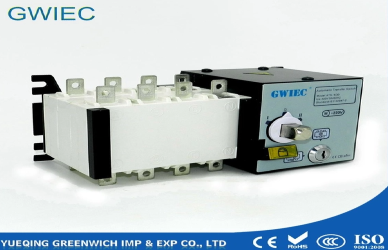
MCCB Protection Ratings and Environmental Suitability
1.Overview of IP (Ingress Protection) Ratings and How They Relate to Environmental Conditions
Ingress Protection (IP) ratings are a standardized way of classifying the protection level provided by an electrical enclosure against environmental factors such as dust, moisture, and foreign objects. The IP rating consists of two digits:
First digit (0–6): Indicates the level of protection against solid objects like dust and dirt.
Second digit (0–9): Indicates the level of protection against liquids such as water or moisture.
For instance, an IP65 rating means that the MCCB is dust-tight and protected against water jets from any direction. Higher IP ratings, such as IP67, provide complete protection against dust and can withstand temporary immersion in water, making them suitable for outdoor or wet environments.
2.The Importance of Choosing MCCBs with Appropriate Protection Ratings for Specific Environments
Selecting an MCCB with the right IP rating is crucial for ensuring the breaker performs reliably in its intended environment. For example:
Outdoor environments (e.g., solar installations, coastal areas) require high IP ratings to protect against dust, moisture, and extreme weather conditions. MCCBs with IP65 or higher are commonly used in such conditions to avoid potential short circuits or corrosion.
Industrial settings or factories with high levels of dust or chemical exposure necessitate MCCBs with high solid protection (e.g., IP54 or higher), ensuring the breaker operates without obstruction from particles and doesn't risk malfunction from debris buildup.
In environments with high humidity or wet conditions (e.g., pools, outdoor circuits, or marine applications), choosing MCCBs with waterproofing capabilities (e.g., IP66 or IP67) is vital to prevent corrosion and electrical faults caused by moisture entering the breaker.
Choosing an MCCB with the appropriate protection rating not only ensures optimal functionality but also contributes to the longevity and safety of the electrical system, reducing the risk of failures and ensuring compliance with local safety standards.
Frequently Asked Questions (FAQ)
1. How does temperature affect MCCB performance?
Both high and low temperatures can significantly impact the performance of Mould Case Circuit Breakers (MCCBs). In high temperatures, the thermal protection mechanism within the MCCB may cause it to trip prematurely, even under normal operating conditions, because the thermal element could be more sensitive to heat. In contrast, low temperatures can result in stiffness or sluggishness in the breaker’s internal components, causing delayed responses or a failure to trip when necessary. It is essential to choose an MCCB rated for the operating temperature range in which it will function, ensuring both accurate protection and reliable operation.
2. What is the impact of humidity on MCCBs?
Excessive humidity can create serious issues for MCCBs, as it introduces moisture into the internal components of the breaker, potentially causing corrosion of metal contacts and other key parts. Over time, this corrosion can lead to malfunctions, insulation failures, or even complete failure of the MCCB. Additionally, high moisture levels can cause short-circuiting, reducing the overall lifespan of the breaker. For environments with high humidity or exposure to moisture, it is crucial to select an MCCB with an appropriate IP rating and corrosion-resistant materials to ensure safe and reliable operation.
3. Can MCCBs be used in dusty environments?
Yes, MCCBs can be used in dusty environments, but they must be equipped with a higher IP rating to protect against the accumulation of dust and debris that could block ventilation, obstruct moving parts, or cause mechanical failures. Dusty environments, such as those found in factories or construction sites, demand MCCBs with IP54 or higher ratings to prevent the ingress of harmful particles. These higher-rated MCCBs ensure that dust does not interfere with the breaker’s operation, maintaining reliable performance and reducing the risk of malfunctions or damage over time.
4. How do corrosive environments affect MCCBs?
MCCBs exposed to corrosive environments, such as those near salty air in coastal areas or chemical plants, face a high risk of corrosion on their metal parts. Corrosion can weaken internal components, degrade the contact points, and compromise the insulation, which can result in operational failures. In these harsh conditions, it is crucial to use corrosion-resistant MCCBs, which may feature protective coatings or be made of materials like stainless steel. By selecting MCCBs designed to withstand corrosive agents, you ensure the longevity and safe operation of your electrical system in challenging environments.
Conclusion
When selecting a Mould Case Circuit Breaker (MCCB), it is crucial to carefully consider the environmental factors that could impact its performance, such as temperature, humidity, dust, vibration, and exposure to corrosive substances. These conditions can affect the breaker’s reliability, efficiency, and lifespan. By understanding the environmental challenges your system will face, and choosing an MCCB with the appropriate Ingress Protection (IP) rating and other relevant features, you ensure that the breaker will provide optimal protection and operate effectively under real-world conditions. A thorough environmental assessment is essential to guarantee that the chosen MCCB meets both the protection needs of the system and the demands of its operating environment, ultimately ensuring the safety and reliability of your electrical infrastructure over the long term.


