DC contactors are essential components used in various electrical systems to control the flow of current, ensuring safe and efficient operations in everything from industrial machinery to HVAC systems. However, like all electrical components, DC contactors are subject to wear and tear over time. Understanding the factors that affect their lifespan is crucial for ensuring reliable performance and avoiding unexpected failures.
At www.electrichina.com, we are committed to providing high-quality electrical components that maximize the efficiency and reliability of electrical systems. Our DC contactors are designed with longevity in mind, but understanding the factors influencing their lifespan can help businesses and individuals make the most out of their investment in these essential components. In this article, we will explore the lifespan of DC contactors, what affects their longevity, and how to extend their useful life.
What is a DC Contactor?
Before delving into the factors affecting the lifespan of a DC contactor, it’s important to understand what it is and how it functions. A DC contactor is an electrically-controlled switch used for switching a DC load on and off. Unlike an AC contactor, which is designed for alternating current, DC contactors are used in direct current (DC) circuits. They are commonly employed in systems where large amounts of power need to be controlled, such as in electric motors, industrial equipment, and renewable energy systems like solar power inverters.
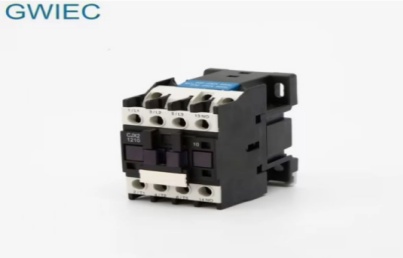
A typical DC contactor consists of a coil that is energized to create a magnetic field, which in turn closes or opens the electrical contacts to control the flow of current. The durability and lifespan of a DC contactor depend on various factors, ranging from the environment in which it is used to the type of load it controls.
Factors That Affect the Lifespan of a DC Contactor
Several key factors determine how long a DC contactor will last in an electrical system. These factors influence both the mechanical and electrical wear of the contactor over time. Let’s take a closer look at the most significant factors:
1. Type of Load
The type of load a DC contactor controls plays a significant role in its lifespan. DC contactors are typically used to control motors, lighting circuits, or other electrical devices. If the load is inductive (such as motors or solenoids), it can cause high inrush currents and voltage spikes when the contactor closes or opens, leading to increased wear and tear on the contacts. Inductive loads often cause arcing when the contactor opens or closes, which can degrade the contacts over time.
In contrast, purely resistive loads (like heaters or incandescent lights) don’t produce the same inrush currents or voltage spikes, making them less stressful on the contactor’s components. The contactor used in such applications will generally last longer, as there is less electrical strain on its contacts.
2. Number of Operations (Cycles)
Like any mechanical device, a DC contactor's lifespan is heavily influenced by how frequently it is used. The more often the contactor opens and closes, the greater the wear on its mechanical components. Every time the contactor is activated, the contacts experience mechanical friction, and the electrical contacts experience arcing and pitting.
Most DC contactors are rated for a certain number of operations, often referred to as operating cycles. For instance, some industrial contactors are rated for up to 10 million operations, while others may only be rated for several hundred thousand operations. It’s essential to match the contactor's cycle rating with the expected frequency of use in your system. If the contactor is frequently activated (e.g., daily or even hourly), its lifespan will be shorter than one used intermittently.
3. Ambient Temperature
Temperature is another critical factor that affects the lifespan of a DC contactor. Excessive heat can cause the insulation materials inside the contactor to degrade, leading to failure. The coil, contacts, and other components within the contactor are designed to operate within a specific temperature range. Operating a contactor beyond its rated temperature can lead to premature wear or even catastrophic failure.
To maximize the lifespan of a DC contactor, it’s essential to ensure proper ventilation and cooling in the environment where the contactor is installed. Additionally, using a contactor that is rated for the specific temperature range of your application will help prolong its useful life.
4. Vibration and Mechanical Stress
In environments with significant vibration or mechanical shock—such as industrial or automotive applications—DC contactors are subject to physical stress that can shorten their lifespan. Continuous vibration can cause mechanical wear on the contactor’s moving parts, leading to failures in the operation of the contacts or coil. Ensuring that the contactor is securely mounted and shielded from excessive mechanical stress will help reduce the impact of these forces.
5. Quality of the DC Contactor
The quality of the DC contactor itself also plays a pivotal role in its longevity. Higher-quality contactors are made with durable materials that can withstand more wear, higher currents, and more frequent switching cycles. A high-quality contactor typically features superior contact materials that resist arcing and corrosion, better insulation materials, and more robust mechanical construction.
It’s essential to choose a DC contactor that matches the specific demands of your application and ensures quality construction. Opting for a reputable manufacturer, like Electric China, that uses high-quality materials and precise manufacturing processes can significantly increase the lifespan of your contactor.
How to Extend the Lifespan of a DC Contactor
While the factors affecting the lifespan of a DC contactor are largely inevitable, there are steps you can take to extend its operational life:
Proper Sizing: Choose a DC contactor that is appropriately sized for your load and application. Oversized or undersized contactors can result in inefficiencies and excessive wear.
Install in a Controlled Environment: Ensure the contactor is installed in an environment that is free from excessive heat, humidity, and mechanical stress.
Regular Maintenance: Perform regular checks on the contactor, such as cleaning the contacts and checking for signs of wear. Early identification of wear and tear can help prevent unexpected failures.
Use Contactors Rated for Your Load: Match the contactor’s rating to the type of load it will control. Inductive loads require contactors rated for such conditions, while resistive loads may require less robust contactors.
DC Contactor Lifespan Comparison Table
Factor | Effect on Lifespan |
Type of Load | Inductive loads cause faster wear due to inrush currents and arcing. Resistive loads cause less wear. |
Number of Operations | The more operations, the shorter the lifespan due to mechanical and electrical wear. |
Ambient Temperature | High temperatures degrade materials, reducing the lifespan. |
Vibration and Mechanical Stress | Excessive vibration accelerates wear on mechanical parts. |
Quality of the Contactor | High-quality contactors last longer and are more resistant to wear. |
Conclusion
The lifespan of a DC contactor is influenced by several critical factors that determine its durability and overall performance. These include the type of load it is controlling (inductive or resistive), the number of operations (how frequently it is activated), the environmental conditions (temperature, humidity, and mechanical stress), and the overall quality of the contactor itself. For instance, inductive loads tend to cause more wear and tear on the contacts due to the high inrush currents and arcing, while resistive loads are less demanding on the contactor. Additionally, the more frequently a contactor is activated, the shorter its lifespan, as constant cycling wears out the mechanical and electrical components.
To maximize the lifespan of your DC contactor, it's essential to choose a contactor that matches your specific application requirements, ensuring it is appropriately rated for the type of load and operational frequency. Proper installation and environmental controls, such as minimizing exposure to extreme temperatures or vibration, can further extend its service life. Regular maintenance, such as cleaning and inspecting contacts for signs of wear, will help maintain performance and prevent unexpected failures.
At www.electrichina.com, we are dedicated to providing high-quality DC contactors that meet the demands of various industrial applications. Our products are designed for maximum durability, ensuring long-lasting reliability. For more information on our DC contactors and how they can help optimize your electrical systems, please visit www.electrichina.com.
FAQ
1. What is the average lifespan of a DC contactor?
The lifespan of a DC contactor typically ranges from 500,000 to 10 million operations, depending on the quality of the contactor and its operating conditions.
2. Can a DC contactor last indefinitely?
No, a DC contactor will eventually wear out due to repeated mechanical cycling and electrical arcing. Proper maintenance and selecting the right contactor for your application can help extend its life.
3. How do I know if my DC contactor needs replacing?
Signs that a DC contactor needs replacing include visible arcing or pitting on the contacts, failure to engage or disengage properly, or inconsistent operation.
4. Can I extend the lifespan of my DC contactor?
Yes, by ensuring it is used within its specified temperature and vibration limits, choosing the right contactor for your load type, and conducting regular maintenance, you can extend the lifespan of your DC contactor.


