A Mould Case Circuit Breaker (MCCB) is a critical safety device used in electrical systems to protect circuits from overloads and short circuits. MCCBs are designed to interrupt the flow of electrical current when a fault is detected, preventing damage to electrical equipment and reducing the risk of fire or electrical hazards. The performance of an MCCB depends largely on its ratings, including rated current, breaking capacity, and rated voltage. Choosing the correct MCCB with appropriate ratings is essential to ensuring the safety, reliability, and longevity of electrical systems. In this article, we will explore the typical ratings of MCCBs and provide guidance on how to select the right one based on various factors such as load requirements, environmental conditions, and application type. Understanding these ratings is crucial for making informed decisions that protect both people and equipment.
Typical Ratings of MCCBs
Mould Case Circuit Breakers (MCCBs) come with several critical ratings that determine their suitability for different electrical systems. These ratings ensure that the MCCB can properly handle the expected electrical load and safely interrupt power in the event of faults like overloads or short circuits. The key ratings for selecting the right MCCB include Rated Current, Breaking Capacity, Rated Voltage, and the Number of Poles.
1. Rated Current
The rated current of an MCCB refers to the maximum continuous current that the breaker can carry without tripping. MCCBs are available in a wide range of current ratings, typically between 10A and 2500A, depending on the application.
Low Rating (10A - 100A): Common in residential and small commercial applications for circuits like lighting, HVAC systems, and smaller machines.
Medium Rating (100A - 800A): Found in industrial environments for machinery, large electrical panels, and distribution boards.
High Rating (800A - 2500A): Typically used in large-scale industrial and utility applications that require protection for high-power equipment and complex electrical networks.
Selecting the right rated current ensures that the MCCB can handle the expected electrical load without causing unnecessary trips.
2. Breaking Capacity
The breaking capacity (or short-circuit rating) indicates the maximum fault current that the MCCB can safely interrupt without sustaining damage. This rating is crucial for preventing electrical fires and equipment damage in the event of a short circuit. Common breaking capacities range from 6kA to 100kA, though higher ratings are available for specialized applications.
6kA - 25kA: Suitable for residential and light commercial installations.
25kA - 50kA: Common in industrial and larger commercial buildings where higher fault currents are possible.
50kA - 100kA: Found in heavy industrial applications and electrical substations that experience extreme fault currents.
The appropriate breaking capacity should be chosen based on the maximum fault current that the system could potentially generate. If the breaker’s breaking capacity is too low, it may fail to interrupt the circuit during a short circuit, leading to severe damage.
3. Rated Voltage
Rated voltage refers to the maximum voltage that the MCCB can safely handle without risk of electrical breakdown. The typical voltage ratings for MCCBs range from 240V to 690V for standard low-voltage systems, while specialized MCCBs can handle voltages as high as 1000V or more for high-voltage applications.
Low Voltage (240V - 690V): Used in residential, commercial, and light industrial applications where voltages typically range from 120V to 600V.
Medium Voltage (1000V - 15kV): Used in higher-power industrial equipment and certain commercial power systems.
Selecting the correct voltage rating is crucial to ensuring the MCCB operates correctly without compromising safety or functionality. The voltage rating should always match the system's operating voltage.
4. Number of Poles
MCCBs are available in various configurations based on the number of poles required for the application. The number of poles refers to how many separate electrical phases the breaker can control.
Single-Pole: Used in single-phase circuits, typically for lighting or small residential appliances.
Double-Pole: Common in residential electrical systems for two-phase circuits, providing protection for 240V systems.
Triple-Pole: Typically used for three-phase circuits in industrial settings to protect larger machinery or systems.
Four-Pole: Used for four-wire systems, such as in balanced three-phase power with neutral, to protect more complex systems.
The choice of the number of poles depends on the electrical configuration of the system. For example, a three-phase industrial application will typically require a three-pole MCCB to protect all three phases.
How to Select the Right Ratings Based on Application
Selecting the correct ratings for a Mould Case Circuit Breaker (MCCB) is crucial for ensuring the safety and efficiency of an electrical system. Key factors include the load current, short-circuit current, system requirements, and environmental conditions.
1. Rated Current: Matching Load Current
The rated current should match the maximum load current in the system. Consider a small safety margin (typically 10-20%) to accommodate temporary surges. For example, if the system runs at 100A but experiences 120A surges, choose an MCCB rated for 125A.
2. Breaking Capacity: Matching Short-Circuit Current
The breaking capacity defines the maximum fault current the MCCB can safely interrupt. Choose an MCCB with a breaking capacity higher than the calculated short-circuit current of the system, typically ranging from 6kA to 50kA in most industrial settings.
3. System Voltage: Matching Rated Voltage
Ensure the MCCB’s rated voltage matches the system’s voltage. For low voltage systems (up to 690V) and medium voltage systems (up to 15kV), select an MCCB with an appropriate voltage rating to avoid failure.
4. Number of Poles: Based on Circuit Configuration
Choose the correct number of poles:
Single-Pole for single-phase circuits
Double-Pole for split-phase circuits
Triple-Pole for three-phase circuits
Four-Pole for three-phase systems with neutral wire.
5. Environmental Factors: Impact on Rating Selection
Environmental conditions affect MCCB performance:
Temperature: If the ambient temperature exceeds 40°C, derate the MCCB to avoid overheating.
Humidity and Corrosion: In damp or corrosive environments, select MCCBs with high IP ratings (IP55 or higher).
Altitude: At high altitudes, derate the MCCB to account for reduced air density.
Vibration: For systems with heavy vibrations, choose MCCBs with stronger mechanical protection.
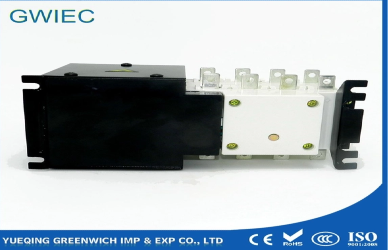
Factors Influencing the Rating Selection of MCCBs
Selecting the right MCCB ratings is crucial for ensuring the protection and efficiency of an electrical system. Key factors include the type of load, current fluctuations, and environmental conditions.
1. Type of Load: Impact on MCCB Rating Selection
Different loads require specific MCCB ratings:
Motors: Require MCCBs with higher inrush tolerance due to high starting currents. MCCBs with time delay features are often needed.
Lighting: Typically have steady-state loads, so MCCBs with standard ratings may suffice. However, for fluorescent or HID lights, surge protection may be needed.
Heating: Resistive loads like heaters need MCCBs that match their continuous running current, with protection against short-term overloads.
The type of load affects the trip characteristics of the MCCB (slow for motors, fast for lighting).
2. Current Fluctuations: Impact on Rated Current
Frequent Fluctuations: Choose an MCCB rated higher than the normal load current to prevent unnecessary trips from temporary surges.
Inrush Current: Equipment like motors and compressors may need an MCCB with an adjustable time-delay function to handle inrush currents during startup.
Overload Settings: Adjustable MCCBs allow customization for systems with frequent current fluctuations, preventing tripping for brief overloads.
3. Environmental Factors: Influence on MCCB Rating Choices
Environmental conditions can affect the MCCB’s performance:
Temperature: In higher temperatures (e.g., >40°C), the MCCB’s current rating should be derated to avoid overheating (by 10-15% at 50°C).
Humidity: High humidity or moisture requires MCCBs with higher IP ratings (IP55 or IP65) to protect against corrosion and moisture.
Altitude: At altitudes above 1000 meters, derating is necessary as lower air density affects heat dissipation and cooling.
Vibration: In environments with mechanical vibrations, choose MCCBs with enhanced protection against mechanical stress.
Frequently Asked Questions (FAQ) about Mould Case Circuit Breakers (MCCBs)
1. What does the rated current of an MCCB mean?
The rated current is the maximum continuous current the MCCB can safely carry without tripping. It ensures the breaker won’t trip under normal load but will protect against overloads exceeding this value.
2. Can I use an MCCB with a higher rating than the circuit requires?
Yes, you can, but an over-rated MCCB may not trip during smaller overloads, leaving the circuit vulnerable to damage. Always match the MCCB’s rating to the system’s protection needs.
3. How does the breaking capacity of an MCCB affect protection?
The breaking capacity defines the maximum fault current the MCCB can safely interrupt. A breaker with too low a capacity may fail to interrupt a fault, risking damage or fire.
4. What happens if an MCCB is under-rated for the application?
An under-rated MCCB may trip too easily under normal conditions or fail to interrupt high fault currents, leading to equipment damage or safety hazards. It’s crucial to match the MCCB rating to the application.
Conclusion
Selecting the correct ratings for Mould Case Circuit Breakers (MCCBs) is essential to ensure the safe and reliable operation of electrical systems. The proper selection of rated current, breaking capacity, rated voltage, and the number of poles directly impacts the MCCB's ability to protect circuits from overloads, short circuits, and faults. Using an MCCB with the appropriate ratings ensures that electrical systems remain functional without compromising safety. Additionally, factors such as load type, environmental conditions, and system requirements must be considered to ensure the MCCB can handle fluctuations and operate under varying conditions. Ultimately, making the right choice in MCCB ratings helps prevent equipment damage, minimizes downtime, and protects both personnel and assets from electrical hazards.


