Mould Case Circuit Breakers (MCCBs) are critical components in electrical systems, providing protection against overloads, short circuits, and faults. These circuit breakers are designed to automatically interrupt the flow of current when an abnormal condition is detected, thereby safeguarding equipment and preventing fire hazards or electrical damage. MCCBs are widely used in residential, commercial, and industrial applications due to their ability to handle higher currents and their adjustable protection settings. Choosing the right type of MCCB is essential for ensuring that the electrical system is adequately protected. Factors such as the current rating, interrupting capacity, and specific environmental conditions must be considered to ensure the breaker offers optimal performance and protection for the application at hand.
Types of Mould Case Circuit Breakers (MCCBs)
1. Fixed MCCBs
Definition and Applications:
Fixed MCCBs have pre-set, non-adjustable trip settings. These breakers are typically used in applications where the load is relatively stable and predictable. Commonly found in residential and commercial settings where the protection requirements do not change over time.
Advantages:
Simple and easy to install.
Cost-effective for applications where the load current is constant.
Limitations:
Cannot be adjusted to suit different load conditions.
May not be suitable for systems with varying electrical loads or fluctuating current demands.
2. Adjustable MCCBs
Overview of Adjustable Trip Settings:
Adjustable MCCBs offer flexibility in trip settings, allowing users to customize the protection parameters based on the specific needs of their electrical system. These MCCBs can be set for different levels of overload protection and short-circuit protection.
Applications in Industries with Variable Loads:
Ideal for industries like manufacturing, HVAC, and data centers, where electrical loads fluctuate and require adaptive protection to prevent false tripping or damage during normal load variations.
3. Thermal-Magnetic MCCBs
Combination of Thermal Overload Protection and Magnetic Short-Circuit Protection:
These MCCBs incorporate two protection mechanisms:
Thermal protection for overload conditions that gradually heat the breaker to trip after prolonged exposure to overcurrent.
Magnetic protection for short-circuit situations, which allows the breaker to trip instantly in the event of a fault.
Common Uses:
Thermal-magnetic MCCBs are widely used in residential, commercial, and industrial circuits. They are ideal for general-purpose applications where both short-circuit and overload protection are necessary.
4. Electronic MCCBs
Use of Electronic Sensors for Precise Protection:
Electronic MCCBs utilize electronic sensors to monitor current flow and detect faults with high precision. These breakers are often equipped with microprocessors to offer advanced features like fault diagnostics, remote monitoring, and programmable settings.
Suitable for High-Tech and Sensitive Equipment Environments:
These breakers are particularly useful in data centers, electronics manufacturing, and other high-tech environments where precise protection and the ability to monitor and adjust breaker settings are essential for equipment longevity and operational efficiency.
5. High-Interrupting Capacity MCCBs
Designed to Handle Large Fault Currents:
These MCCBs are built with higher interrupting capacities to handle larger fault currents, making them ideal for high-power electrical systems where fault currents can exceed the capabilities of standard breakers.
Ideal for High-Power Systems and Utility Substations:
High-interrupting capacity MCCBs are used in utility substations, power plants, and industrial facilities where the potential for significant fault currents exists. They ensure that the circuit is protected even during extreme fault conditions.
6. Ground Fault MCCBs
Added Ground Fault Protection for Safety:
Ground Fault MCCBs are equipped with ground fault protection that detects current leakage to the ground and trips the breaker to prevent potential hazards such as electric shocks or fire.
Used in Wet Environments or Applications Requiring Enhanced Safety:
These MCCBs are commonly used in wet or hazardous environments such as swimming pools, outdoor electrical systems, and areas with high moisture levels where the risk of ground faults is higher.
7. Motor Protection MCCBs
Specially Designed for Motor Protection:
These MCCBs are optimized for protecting motors against overload, short circuits, and phase failures. They often come with adjustable settings to prevent damage from frequent motor starts and stops.
Features for Overload, Short Circuit, and Phase Failure Protection:
Motor protection MCCBs are essential in applications involving pumps, fans, compressors, and other motor-driven systems where protection against different fault conditions is crucial to prevent motor damage and ensure reliable operation.
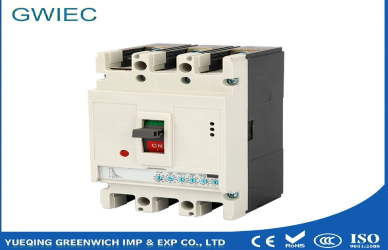
How to Choose the Right Mould Case Circuit Breaker (MCCB)
Choosing the right Mould Case Circuit Breaker (MCCB) is essential to ensure the safety and reliability of an electrical system. The correct MCCB will protect the circuit from overload, short circuits, and fault conditions, while also preventing damage to electrical equipment. Here are the key factors to consider when selecting an MCCB for your application:
1. Load Type
Consider the type of load your circuit is powering. Is it a motor, lighting, or general equipment?
Motor-driven loads might require motor protection MCCBs with overload and short-circuit protection tailored for starting and stopping cycles.
Electronic devices or sensitive equipment may need electronic MCCBs for precise fault protection.
2. Current Rating
The rated current of the MCCB should match the continuous load current of the system.
Under-rated MCCBs will trip too often, while over-rated MCCBs may not trip in time to protect the system.
Ensure the MCCB’s current rating fits within the expected current load and provides the necessary protection.
3. Interrupting Capacity
Interrupting capacity refers to the maximum fault current an MCCB can safely handle and interrupt without sustaining damage.
In systems with higher fault currents (like industrial plants or substations), ensure the MCCB has a higher interrupting capacity to handle these conditions.
Check the MCCB's short-circuit breaking capacity to ensure it’s suitable for your system’s needs.
4. Environmental Conditions
Consider the environmental factors like temperature, humidity, dust, or exposure to chemicals.
If the MCCB is in an outdoor environment, look for models with IP-rated enclosures to protect against moisture and dust.
For high-temperature or extreme conditions, check the ambient temperature rating of the MCCB.
5. Voltage Rating
The voltage rating of the MCCB should match the system voltage.
For high-voltage DC systems (like solar systems or electric vehicles), specialized DC-rated MCCBs are required for proper protection.
6. Tripping Characteristics
Consider whether the MCCB needs adjustable trip settings for overload protection. This is important in systems with variable loads or where the protection needs to be customized.
Adjustable MCCBs offer more flexibility in setting the trip current based on the system’s specific requirements.
7. Application Type
Determine whether the application requires general protection or specialized protection:
Ground fault MCCBs for wet or high-risk environments.
High-interrupting capacity MCCBs for systems with high fault current potential.
Thermal-magnetic MCCBs for most common residential or commercial uses.
8. Safety and Regulatory Compliance
Ensure the MCCB complies with relevant safety standards and regulations (e.g., IEC, UL).
Look for MCCBs that are certified for use in your specific region or industry to meet local electrical codes and safety standards.
Frequently Asked Questions (FAQ)
1. What factors should I consider when selecting an MCCB for my system?
When selecting an MCCB, it’s important to consider several key factors, such as the current rating (which should match the system’s continuous load), the interrupting capacity (to handle fault currents), and the environmental conditions (like temperature, humidity, or exposure to dust). Additionally, you should account for whether the application involves motors, sensitive equipment, or high-power circuits, as each of these applications may have specific protection needs that require specialized features in the MCCB.
2. Can electronic MCCBs be used in industrial applications?
Yes, electronic MCCBs are well-suited for industrial applications where precise protection is required. These MCCBs use electronic sensors and microprocessors to monitor electrical conditions, offering greater accuracy in detecting faults such as overloads, short circuits, and ground faults. They are particularly useful in complex environments that demand remote monitoring, programmable settings, and detailed fault analysis, making them ideal for industrial settings like manufacturing plants, data centers, and other sensitive systems.
3. Are MCCBs suitable for use in outdoor or harsh environments?
Yes, but MCCBs designed for outdoor or harsh environments need special weatherproofing and dustproofing to withstand the elements. These MCCBs often come with IP-rated enclosures to ensure durability in challenging conditions. For environments where ground faults may occur more frequently—such as outdoor electrical systems, pools, or wet areas—using ground fault MCCBs is essential to provide enhanced safety and reduce the risk of electric shock.
4. How do MCCBs protect motors specifically?
Motor protection MCCBs are designed to protect motors from overload, short circuits, and phase failures, which are common risks in motor-driven applications. These breakers often come with adjustable settings to accommodate the unique starting and stopping cycles of motors, ensuring they don’t trip unnecessarily. By offering protection against conditions like thermal overload or motor stalling, motor protection MCCBs help prevent damage to motors and ensure their long-term reliability and efficiency in applications such as pumps, compressors, and HVAC systems.
Conclusion
Understanding the different types of Mould Case Circuit Breakers (MCCBs) is essential for ensuring proper protection of electrical systems. Each type, from fixed and adjustable MCCBs to more specialized versions like electronic, motor protection, and ground fault MCCBs, is designed to meet specific needs based on the load type, environment, and fault conditions. Selecting the right MCCB for your application is crucial to avoid system failures, prevent equipment damage, and enhance safety. Key factors to consider include current rating, interrupting capacity, environmental conditions, and whether the protection is for motors, sensitive equipment, or high-power systems. By carefully evaluating these elements and matching the MCCB specifications to your system's requirements, you can ensure reliable, efficient, and safe operation of your electrical infrastructure.


