In an era where energy efficiency is crucial, optimizing power usage has become a priority for both businesses and homeowners alike. Smart relays, a more advanced version of traditional relays, provide users with not only the ability to control electrical circuits remotely but also the power to monitor and optimize energy consumption. But can a smart relay really monitor energy consumption? In this article, we’ll explore how smart relays can track energy usage, their benefits, applications, and how they help improve overall energy efficiency.
1.What is a Smart Relay?
Definition and Basic Working Principle
A smart relay is an advanced type of relay that integrates digital control, programmability, and sometimes connectivity to external systems like smartphones or smart home platforms. Unlike traditional relays, which simply function as on/off switches in response to an electrical signal, smart relays come equipped with embedded processors that can perform various functions, including monitoring energy consumption, executing programmed tasks, and even making decisions based on input data.
These relays typically use microcontroller units (MCUs) and sensors to provide real-time feedback and control of connected devices or systems. They are a central part of modern home automation and industrial control systems, offering a much more versatile and intelligent solution compared to traditional mechanical relays.
How Smart Relays Differ from Traditional Relays
Traditional relays are mechanical switches that open or close based on the presence of electrical signals. While they are reliable and inexpensive, they are limited to simple on/off functions. Smart relays, on the other hand, are capable of more advanced operations:
Remote Control: Smart relays allow users to control devices from a distance via Wi-Fi, Bluetooth, or Zigbee.
Programmability: Users can program smart relays to perform specific tasks based on schedules or sensor data, providing automation and enhanced control.
Energy Monitoring: Many smart relays are designed to track energy consumption in real-time, providing detailed data and insights into how energy is used within a system.
2.Energy Monitoring in Smart Relays
How Do Smart Relays Monitor Energy Consumption?
Smart relays are designed to collect and process data from connected devices to give users a real-time view of energy consumption. This process is possible through the use of embedded sensors that measure various electrical parameters. Here’s how it works:
Voltage: Smart relays measure the voltage across electrical components, which helps determine the amount of electrical pressure driving the current through the system.
Current: They also track the flow of electricity by measuring the current (amperage), which is a key factor in calculating power usage.
Power Consumption: By combining data on voltage and current, smart relays can calculate the power consumed by electrical devices, often displayed in watts or kilowatts.
These smart devices can relay this information in real time to users, who can then adjust their systems to optimize energy use and reduce costs. For example, smart relays can monitor energy use in appliances, lighting, HVAC systems, and even industrial machinery.
Key Features of Energy Monitoring in Smart Relays
Smart relays equipped with energy monitoring capabilities often feature several key functionalities:
Real-Time Data: Displaying current power consumption and providing users with an up-to-date view of how much energy is being used at any given moment.
Energy-Saving Modes: Some smart relays are designed to automatically enter low-energy modes when they detect that a device is idle or when usage drops below a certain threshold.
Historical Data Tracking: The ability to track energy usage over time, which helps users identify patterns of excessive consumption and make informed decisions about energy optimization.
Energy Cost Estimation: Some smart relays can estimate the cost of energy consumption based on local energy tariffs, allowing users to understand the financial impact of their usage.
Types of Energy Data Smart Relays Can Track
The type of energy data that smart relays can track varies by model, but common parameters include:
Voltage: Understanding the voltage levels helps determine if there are issues with electrical stability or efficiency.
Current: Monitoring the amount of current flowing through a device ensures that it’s operating within safe parameters.
Power Consumption: The relay calculates the total amount of energy consumed by devices or systems, providing a clear picture of energy efficiency.
Power Factor: In some advanced relays, users can also monitor the power factor, which is the ratio of real power used to the apparent power supplied to the system. A lower power factor indicates inefficiency in energy usage.
3.How Smart Relays Monitor Energy Consumption
Sensors and Embedded Technology in Smart Relays
The sensors and technology integrated into smart relays allow them to gather data from electrical systems and analyze it in real time. These relays often use current transformers (CTs) or Hall effect sensors to measure the current flowing through a circuit. The voltage is typically measured using voltage dividers or dedicated sensors. By combining these sensors’ data, smart relays can calculate energy consumption and provide feedback to users.
Integration with Energy Management Systems
One of the key benefits of smart relays is their ability to integrate seamlessly into broader energy management systems (EMS). These systems collect data from various devices, including smart relays, and process it to optimize energy consumption. For example, in an industrial setting, smart relays can track the power usage of machinery and provide insights that can be used to optimize maintenance schedules and reduce downtime. In a residential setting, users can view the power consumption of different appliances and make adjustments to lower their energy bills.
Role of Wi-Fi and Bluetooth in Energy Data Transmission
Smart relays rely on network connectivity to transmit data to users. Common protocols such as Wi-Fi, Bluetooth, or Zigbee are used to send real-time energy data to smartphones, tablets, or computers. Through dedicated mobile apps or energy management platforms, users can access detailed reports on their energy usage, set up automated rules to control devices, and track energy savings over time.
4.Advantages of Using Smart Relays for Energy Monitoring
Real-Time Data and Energy Efficiency
The ability to monitor energy consumption in real time is one of the most significant advantages of using smart relays. By providing detailed feedback on the energy usage of connected devices, users can take immediate actions to reduce waste. For example, if a system is drawing too much power, the user can quickly adjust settings or switch off the device entirely, avoiding unnecessary energy consumption.
Cost Savings from Optimized Energy Usage
Smart relays help identify inefficiencies in energy usage, which can lead to significant cost savings over time. By tracking energy consumption and offering insights into usage patterns, these relays help users pinpoint areas where energy is being wasted, such as running appliances during peak hours or leaving devices on when they’re not in use. This data-driven approach to energy management helps reduce overall energy costs.
Enhanced Monitoring for Industrial and Residential Systems
Smart relays are versatile and can be used in both residential and industrial environments. In industrial settings, smart relays can track the energy consumption of machinery, allowing for better load management and more efficient energy use across the factory floor. In homes, smart relays can be used to control and monitor lighting, heating, ventilation, and air conditioning (HVAC) systems, reducing energy waste and improving comfort.
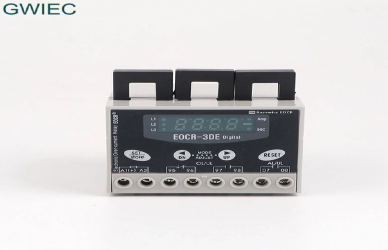
5.Applications of Energy Monitoring with Smart Relays
Use Cases in Home Automation
In home automation, smart relays can optimize energy consumption by monitoring appliances and controlling them based on usage patterns or environmental factors. For instance:
HVAC Systems: Smart relays can control heating and cooling systems, ensuring they operate only when necessary.
Lighting: Automated lighting systems can be turned on or off based on motion or the time of day, optimizing energy use.
Appliance Control: Smart relays can monitor the energy consumption of home appliances, alerting users if an appliance is consuming more power than expected.
Industrial Applications
In industrial applications, smart relays are often integrated into energy management systems to track power usage across large machinery, production lines, or entire factories. The benefits include:
Reduced Energy Waste: By tracking real-time energy consumption, smart relays help reduce inefficiencies in industrial processes.
Predictive Maintenance: By monitoring power consumption trends, smart relays can alert operators to potential issues before they lead to costly breakdowns.
Optimization of Manufacturing Processes: Manufacturers can adjust the operation of equipment to minimize energy consumption without compromising productivity.
6.Challenges of Energy Monitoring with Smart Relays
Initial Setup and Integration Complexity
While smart relays offer numerous benefits, their installation can be more complex than traditional relays. Integrating them into existing systems often requires technical expertise, especially when connecting them to energy management systems or automating their functions.
Network Issues and Data Loss
Since smart relays depend on network connectivity to transmit data, any disruption in the network can lead to data loss or incorrect readings. Ensuring a stable and secure network connection is crucial for maintaining the reliability of energy monitoring.
Cost Considerations for Implementation
Although the cost of smart relays has decreased over time, they are still generally more expensive than traditional relays. The initial investment can be a barrier for some users, especially for smaller residential or commercial setups.
FAQ (Frequently Asked Questions)
1.How does a smart relay measure energy consumption?
Smart relays use built-in sensors to measure voltage, current, and power. By processing this data, they calculate energy consumption and provide real-time feedback to users.
2.Can smart relays help reduce energy costs?
Yes, by providing real-time data on energy consumption and identifying inefficiencies, smart relays help users make informed decisions that can reduce energy costs over time.
3.Do smart relays work with all electrical systems for energy monitoring?
Smart relays are compatible with most modern electrical systems, but integration may require additional equipment or software, especially in more complex setups.
4.Are smart relays cost-effective for small homes?
While the initial cost may be higher than traditional relays, the energy savings and convenience provided by smart relays make them a worthwhile investment for those looking to reduce long-term energy costs.
 Conclusion
Smart relays have revolutionized the way energy is monitored and managed in both residential and industrial systems. Their ability to track power consumption in real time, provide detailed feedback, and integrate with other smart systems makes them an invaluable tool for anyone looking to improve energy efficiency. Whether you're managing a complex industrial facility or optimizing energy usage in your home, smart relays offer the tools needed to reduce costs, increase efficiency, and contribute to a more sustainable future.


