When it comes to protecting electrical systems, circuit breakers are essential components that ensure safety by interrupting electrical flows during faults, preventing potential damage or fire. Mould Case Circuit Breakers (MCCBs) are widely used in industrial and commercial settings due to their ability to handle higher current ratings and provide enhanced protection. However, a common question that arises is whether MCCBs can be used in residential systems. This article explores the advantages, limitations, and installation considerations of using MCCBs in homes, offering homeowners a clear understanding of when and why they might choose to use this type of breaker.
1.What is a Mould Case Circuit Breaker (MCCB)?
Definition and Basic Functionality
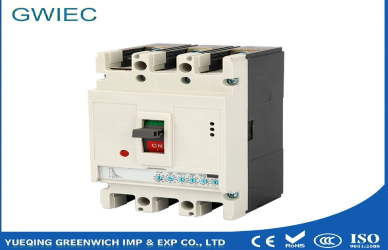
A Mould Case Circuit Breaker (MCCB) is an advanced electrical safety device designed to protect electrical circuits from damage caused by overloads, short circuits, and ground faults. Unlike Miniature Circuit Breakers (MCBs), which are typically used in residential settings, MCCBs are designed for handling much higher electrical current and offer more robust protection features.
The key functions of MCCBs include:
Overload Protection: MCCBs can trip when the current exceeds a preset level for a certain period, preventing overheating and potential fire hazards.
Short-Circuit Protection: MCCBs quickly disconnect the circuit in case of a short circuit, protecting the system from damage.
Adjustable Trip Settings: MCCBs allow users to set the trip current according to the system’s needs, offering flexibility for different applications.
Differences Between MCCBs and Other Circuit Breakers
MCCBs are often compared to other types of circuit breakers like MCBs (Miniature Circuit Breakers) and RCCBs (Residual Current Circuit Breakers). Here’s a quick overview of the differences:
MCBs: Typically designed for residential and light commercial use, MCBs are smaller and are generally rated for up to 100 amps.
RCCBs: These provide protection against earth leakage currents, focusing on safety against electric shock, whereas MCCBs provide broader overload and short-circuit protection.
MCCBs: Designed for higher current ratings (up to 1,250 amps), MCCBs are ideal for industrial applications but can be used in larger residential homes with high energy demands.
2.MCCBs in Residential Systems
How MCCBs are Designed for Industrial and Commercial Use
MCCBs are designed to provide protection for industrial and commercial systems that have higher electrical loads. These breakers are built to handle large amounts of power, making them ideal for systems where electrical demand can be substantial. Their main features include:
High Current Capacity: MCCBs can handle currents that range from 100 to 1,250 amps.
Adjustability: Many MCCBs offer adjustable settings for overload and short-circuit protection, allowing them to be tailored to specific needs.
Durability: MCCBs are built to withstand frequent operations, offering a longer life cycle compared to MCBs.
Can MCCBs be Adapted for Home Use?
While MCCBs are primarily used in industrial applications, they can also be used in residential systems—particularly in large homes or properties with high electrical loads. For instance:
Large Homes: Homes with several HVAC systems, multiple appliances, and heavy-duty equipment may require MCCBs to ensure safe and efficient power distribution.
Custom Homes with Special Requirements: Properties that require more robust electrical protection, such as homes with advanced home automation or smart grid systems, can benefit from the features provided by MCCBs.
However, for most standard homes, MCCBs might be unnecessary due to their higher cost and larger size.
3.Advantages of Using MCCBs in Residential Systems
Higher Current Ratings
One of the most significant advantages of using Mould Case Circuit Breakers (MCCBs) in residential systems is their ability to handle higher current ratings. While Miniature Circuit Breakers (MCBs) are typically limited to lower current capacities (usually up to 100 amps), MCCBs are designed to handle much larger currents, often ranging from 100 to 1,250 amps. This makes them ideal for residential systems with high power consumption, particularly in homes with multiple high-demand appliances such as air conditioners, electric water heaters, large home appliances, or even electric vehicle (EV) charging stations.
For homes that rely heavily on electricity or where the electrical load is substantial, MCCBs provide a more robust solution. Their superior capacity ensures that the circuit is properly protected, even under heavy electrical load conditions. By using MCCBs, homeowners can prevent overloads that could potentially trip standard MCBs, ensuring a more stable and reliable power supply, especially in homes with fluctuating energy demands or multiple electrical systems running simultaneously.
Durability and Long-Term Use
Another key advantage of MCCBs is their durability and suitability for long-term use. MCCBs are built with industrial-grade materials and designed to withstand harsh conditions. They are particularly useful in residential systems that experience frequent power surges, load variations, or heavy electrical use, which can cause wear and tear on less durable components.
Unlike MCBs, which may require more frequent replacements in high-load environments, MCCBs offer greater longevity, reducing the need for regular maintenance and providing more reliable protection over time. Their rugged construction ensures that they remain functional even in homes that experience frequent power fluctuations. This long-term reliability makes MCCBs a wise investment for larger residential properties where durability is crucial. Furthermore, the increased lifespan of MCCBs helps homeowners save money in the long run by reducing replacement and maintenance costs.
Enhanced Protection
MCCBs offer advanced protection compared to standard MCBs. One of the most notable features of MCCBs is their dual protection system, which includes both thermal protection and magnetic protection. These two elements work together to provide more comprehensive protection for the electrical circuits in the home.
Thermal Protection: The thermal element in MCCBs protects the circuit by detecting sustained overloads. This type of overload occurs when the current exceeds the rated value for an extended period, which can cause components to overheat and possibly lead to electrical fires. The thermal protection ensures that the breaker trips once the overload reaches a dangerous level, thereby preventing potential damage.
Magnetic Protection: Magnetic protection trips the MCCB almost instantly when a short circuit is detected. Short circuits can cause significant damage to electrical equipment, and without proper protection, they may lead to fires or system failure. The magnetic element of the MCCB ensures that this protection is delivered in a timely manner, cutting off the power supply before extensive damage occurs.
4.Limitations of Using MCCBs in Residential Systems
Cost Considerations
While MCCBs offer robust protection, they come with a higher cost compared to MCBs. Residential homes typically don’t require the high current capacity or advanced features that MCCBs provide. As a result, homeowners may find it more economical to opt for MCBs, which are more affordable and sufficient for most household applications.
Size and Installation Complexity
MCCBs are bulkier than MCBs and require more space within the electrical panel. Their installation is more complex and often requires professional assistance to ensure they are correctly integrated into the existing system. This might not be ideal for smaller homes where space is limited, and ease of installation is a priority.
Overkill for Smaller Homes
For homes with basic electrical needs and fewer high-power devices, using an MCCB could be considered overkill. MCBs are more appropriate for most residential setups, as they provide sufficient protection for standard household circuits without the additional cost and space requirements associated with MCCBs.
5.Installation Considerations for MCCBs in Residential Systems
Compatibility with Residential Electrical Panels
Before installing an MCCB in a residential system, ensure that the electrical panel is compatible with the breaker’s size and configuration. MCCBs are larger and may require more space than MCBs, which means the existing panel may need to be upgraded or adjusted to accommodate the new breaker. In some cases, additional panel modifications or a separate sub-panel may be required.
Professional Installation Requirements
Installing an MCCB, especially in a residential system, requires technical expertise. Unlike MCBs, which can be installed by experienced homeowners, MCCBs often require a professional electrician to ensure they are correctly wired and configured. The installation process must also comply with local electrical codes and safety standards, which further underscores the need for professional assistance.
Compliance with Local Electrical Codes
Depending on your location, local electrical codes may dictate the type of circuit breakers that can be used in residential systems. Some areas may have restrictions on the use of MCCBs in homes, particularly if the electrical demand does not justify the need for high current ratings. Ensure that any installation of an MCCB complies with local safety regulations and building codes to avoid potential hazards or legal issues.
FAQ (Frequently Asked Questions)
1.What is the difference between an MCCB and an MCB?
MCCBs are designed for higher current ratings and offer advanced protection features, including thermal and magnetic tripping. MCBs are smaller, cheaper, and typically used for lower power applications, making them suitable for standard residential systems.
2.Can I use an MCCB for a small residential home?
While MCCBs can be used in residential homes, they are generally unnecessary for small homes with low electrical loads. MCBs are more cost-effective and sufficient for most residential applications.
3.What are the installation requirements for an MCCB?
Installing an MCCB requires professional expertise, as it involves adjusting or upgrading the electrical panel to accommodate the larger size of the breaker. It must also comply with local electrical codes and safety standards.
4.Is an MCCB more expensive than an MCB?
Yes, MCCBs are typically more expensive due to their higher current capacity, durability, and advanced protection features. For smaller homes, MCBs offer a more affordable and practical solution.
 Conclusion
MCCBs, while generally designed for industrial and commercial use, can be used in residential systems, especially for homes with higher electrical demands. Their higher current ratings, durability, and advanced protection mechanisms make them a good choice for large homes with multiple high-demand appliances. However, for standard residential systems, MCCBs may be unnecessary due to their higher cost, bulkier size, and more complex installation requirements. For most homes, MCBs remain an affordable and effective solution. If you have a large home or special electrical needs, an MCCB may provide the additional protection and reliability required for your system.


