Relays are integral components in many electrical systems, acting as automatic switches that control the flow of electricity based on a signal. The relay technology has evolved significantly, especially with the rise of "smart" relays, which offer enhanced functionalities compared to traditional ones. This article will explore the key differences between smart relays and traditional relays, providing a detailed comparison in terms of operation, features, and applications.
1.What is a Traditional Relay?
Definition and Working Principle
A traditional relay is an electromechanical switch that uses an electromagnetic coil to open or close contacts. When current flows through the coil, it generates a magnetic field, pulling the contacts together (or apart), which allows or disallows the flow of current through the connected circuit. Traditional relays are primarily used to control the on/off operation of electrical circuits.
Main Applications of Traditional Relays
Traditional relays have been used in various industries for decades. Some of the primary applications include:
Automotive Industry: Used to control lights, horns, and other electrical systems in vehicles.
Industrial Automation: Used in machinery control to manage motors, pumps, and sensors.
Home Appliances: Found in devices like washing machines, refrigerators, and air conditioners.
Advantages and Disadvantages
Advantages | Disadvantages |
Simple design and operation | Limited functionality (on/off only) |
Reliable and durable | No remote control capabilities |
Low initial cost | Requires physical switching components |
Suitable for basic automation needs | Cannot be integrated into smart systems |
2.What is a Smart Relay?
Definition and Working Principle
A smart relay is a more advanced version of the traditional relay, incorporating microprocessor-based control systems that allow for intelligent decision-making. Unlike traditional relays, which simply open or close based on a signal, smart relays are capable of receiving input from sensors, processing data, and controlling outputs in more dynamic and sophisticated ways. They often feature remote control capabilities, programmable logic, and integration with broader automation systems.
Features of a Smart Relay
Smart relays have several features that distinguish them from their traditional counterparts:
Remote Control: Smart relays can be controlled over the internet or local network via Wi-Fi, Zigbee, or Bluetooth.
Programmability: Users can program smart relays to execute complex operations based on sensor input or predefined schedules.
Energy Monitoring: Some smart relays provide real-time energy consumption data, helping users optimize energy usage.
Automation Integration: Smart relays are often compatible with home automation platforms like Google Home, Amazon Alexa, or industrial automation systems.
Main Applications of Smart Relays
Smart relays are primarily used in modern automation systems, both in residential and industrial settings. Some key applications include:
Home Automation: For controlling lighting, HVAC systems, and appliances remotely.
Energy Management: In commercial and industrial settings, to monitor energy consumption and optimize usage.
Industrial Automation: For controlling complex machinery with feedback from various sensors.
Security Systems: Used to control security lights, alarms, and monitoring equipment.
Advantages and Disadvantages
Advantages | Disadvantages |
Advanced control features like programming and automation | Higher cost than traditional relays |
Remote control and monitoring via app or network | More complex installation requirements |
Integration with smart systems (e.g., Google Home, Alexa) | Potentially more vulnerable to network issues |
Energy monitoring capabilities | Requires regular updates and maintenance |
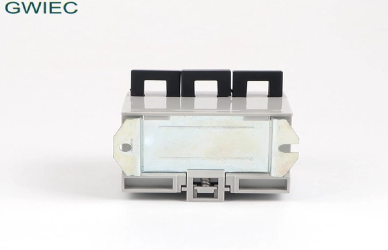
3.Key Differences Between Smart Relays and Traditional Relays
Control Method
Feature | Traditional Relay | Smart Relay |
Control | Mechanical contacts, no automation | Digital control, programmable and automated |
Switching Mechanism | Electromagnetic field (simple on/off) | Programmable logic with input/output handling |
Integration | Limited to physical switches | Can be integrated into smart systems like home automation or SCADA |
Installation and Integration
Traditional relays are standalone devices that usually require manual operation and integration into existing circuits. They are simpler to install because they do not need to connect to a network or complex automation systems.
In contrast, smart relays require additional setup, as they must be connected to a local or internet network, configured through software, and integrated into broader automation systems. This makes them more versatile but also more complex to install.
Remote Control
Traditional relays operate locally, meaning they require manual intervention to switch on or off. There is no way to control them remotely unless manually connected to external control systems, such as remote switches or a control panel.
Smart relays, on the other hand, come with remote control capabilities. Users can operate them from anywhere via smartphones, computers, or other smart devices. This remote access is especially useful in situations where physical access to the relay is difficult or impossible.
Functionality and Features
Smart relays offer far more functionality than traditional relays:
Programmability: Smart relays can execute more complex operations based on predefined logic, sensor input, or time schedules.
Feedback Systems: They can integrate with other automation systems and provide real-time data, such as energy consumption or equipment status.
Automation: Smart relays can trigger actions automatically based on specific conditions (e.g., turning on lights when motion is detected).
Traditional relays, however, only provide basic on/off control, with no processing or integration with other devices.
Cost and Efficiency
Feature | Traditional Relay | Smart Relay |
Initial Cost | Relatively low | Higher due to added features and technology |
Energy Efficiency | Not optimized | Can optimize energy use and monitor consumption |
Operational Efficiency | Limited, on/off operation only | Highly efficient with automation, reducing human intervention |
Long-term Savings | Limited savings beyond basic functionality | Energy-saving features and automation lead to long-term savings |
4.Advantages and Disadvantages of Smart Relays
Advantages:
Remote Control: Smart relays enable remote monitoring and control via apps or web interfaces, providing convenience for users.
Programmability: These relays can be programmed to carry out specific tasks at certain times or in response to particular conditions, offering higher flexibility.
Energy Efficiency: Smart relays often include energy monitoring features, allowing users to track and reduce energy consumption.
Automation: Integration with home automation systems like Google Home or Amazon Alexa allows for voice-activated control and seamless integration with other smart devices.
Disadvantages:
Cost: Smart relays are generally more expensive than traditional relays, especially when considering installation and setup costs.
Complexity: The installation and configuration of smart relays can be more complex, requiring technical expertise and integration with other systems.
Dependence on Network: Since smart relays rely on Wi-Fi or other networks, they can be vulnerable to network disruptions or security breaches.
Maintenance: Smart relays often require software updates and maintenance, which adds to their long-term upkeep.
FAQ (Frequently Asked Questions)
1.Can smart relays be controlled remotely?
Yes, smart relays can be controlled remotely through network protocols like Wi-Fi, Zigbee, or Bluetooth. This allows users to manage their systems from anywhere using a smartphone, computer, or other devices. Whether you're at home, at work, or on the go, remote control provides a high level of convenience, allowing you to monitor and adjust your electrical systems with ease.
2.Is the installation of a smart relay more complex than a traditional relay?
Yes, installing a smart relay is generally more complex than installing a traditional relay. Smart relays must be integrated into an automation system and connected to a network, which often requires configuration via a smartphone app or specialized software. Traditional relays, on the other hand, are standalone devices that simply require wiring and manual operation. While smart relays provide advanced features, their setup process demands a bit more technical know-how and possibly professional assistance.
3.Can smart relays save energy?
Yes, smart relays are equipped with energy monitoring and optimization capabilities, enabling users to track energy consumption in real-time. By offering insights into energy usage patterns, smart relays allow users to identify areas of waste and adjust their systems accordingly, promoting energy efficiency. These features can help reduce electricity costs, especially in environments with high energy consumption, such as industrial settings or homes with multiple smart devices.
4.Are smart relays more expensive?
Yes, smart relays are generally more expensive than traditional relays. The higher cost is attributed to their advanced features, such as remote control, programmability, and energy monitoring. However, despite the initial price difference, smart relays offer long-term savings due to their ability to optimize energy consumption, automate processes, and reduce manual intervention. Over time, these benefits often offset the upfront cost, making smart relays a worthwhile investment for those seeking greater control and efficiency in their systems.
Conclusion
While traditional relays have long been a reliable and cost-effective solution for basic on/off control in various industries, smart relays offer significantly more flexibility, advanced functionality, and remote control options. Traditional relays are typically used for simple, straightforward applications that do not require complex decision-making or integration with other systems. However, as automation needs continue to evolve, the advantages of smart relays become more evident, especially in systems where remote control, energy monitoring, and programmability are crucial.
The choice between a smart relay and a traditional relay ultimately depends on the complexity of the application and the specific requirements for advanced control features. For modern home automation systems, industrial environments, or any scenario requiring integration with other smart devices and systems, a smart relay is the ideal solution. It offers enhanced convenience, energy efficiency, and adaptability, making it well-suited for more complex and dynamic environments.
On the other hand, if the application involves simple control tasks with minimal setup and the primary concern is affordability, a traditional relay remains a reliable and budget-friendly choice. In summary, both types of relays have their place in modern electrical systems, and the decision should be based on the specific needs of the system and the desired level of control and automation.


