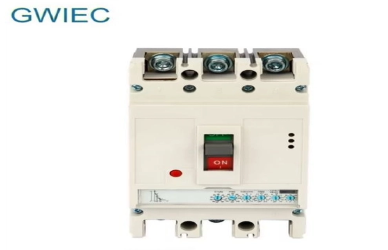
Mould Case Circuit Breakers (MCCBs) are integral components in both industrial and residential electrical systems, offering critical protection against overcurrent conditions such as short circuits and overloads. Ensuring the life expectancy and reliability of MCCBs is essential for maintaining the safety and functionality of electrical circuits. This article explores the lifespan of MCCBs, the factors that influence their reliability, and best practices for ensuring that they continue to perform effectively over time.
1.Understanding the Life Expectancy of MCCBs
What Does Life Expectancy Mean for MCCBs?
The life expectancy of an MCCB refers to the number of years or operations it can reliably perform before it begins to deteriorate or fail. Unlike simple on/off switches, MCCBs play a more critical role in protecting electrical systems from damage, meaning they undergo frequent use and sometimes harsh conditions. A typical MCCB is rated to last for a significant number of operations—both mechanical operations (the number of times the breaker is physically opened and closed) and electrical operations (the number of times it trips in response to a fault condition).
Average Lifespan of MCCBs
MCCBs are designed to last 20 to 30 years under normal operating conditions, assuming the circuit breaker is installed correctly, used within its specified limits, and maintained regularly. While the average lifespan can vary depending on the brand, quality, and usage, the typical lifespan can be broken down as follows:
Mechanical Operations: MCCBs are generally rated for 10,000 to 20,000 mechanical operations, meaning they can be opened and closed that many times without failure.
Electrical Operations: The breaker’s electrical operation life (i.e., the number of trips it can make under fault conditions) can vary from 1,000 to 2,000 cycles, depending on the current rating and usage pattern.
Factors Affecting the Life Expectancy of MCCBs
Several factors can influence the longevity of an MCCB, including:
Load Demand: Excessive and frequent overloading can reduce the lifespan of the breaker by causing it to trip frequently. Continual high current or prolonged overloads will deteriorate the internal components faster.
Environmental Conditions: Harsh environments, such as extreme temperatures, high humidity, or corrosive atmospheres, can wear down the breaker’s components, especially the contact points and insulation.
Maintenance: Proper maintenance and inspection intervals can significantly extend the lifespan of an MCCB. Poorly maintained MCCBs may fail prematurely, posing safety risks.
2.Factors Influencing the Reliability of MCCBs
Importance of Maintenance and Regular Inspections
The reliability of an MCCB depends on how well it is maintained and whether it is subject to regular inspections. Over time, an MCCB’s performance can degrade due to environmental factors, internal wear, and operational conditions. Regular inspections ensure that any faults, like loose connections, dirt buildup, or corrosion, are identified early, preventing failure and costly repairs.
Maintenance Tips for MCCBs:
Clean the MCCB Regularly: Dust, dirt, and moisture buildup can affect the performance of MCCBs. Regularly cleaning the breaker and its surrounding area helps maintain reliable performance.
Tighten Connections: Loose connections can cause heat buildup and affect the reliability of the MCCB. It’s important to inspect and tighten any loose terminals to ensure the breaker operates optimally.
Test the Breaker: Periodically test the MCCB by simulating overload conditions. This helps verify the breaker’s response and ensures it will function correctly in the event of an actual fault.
Environmental Factors Affecting Reliability
Environmental conditions play a major role in determining how long an MCCB can function reliably. MCCBs used in industrial environments or harsh outdoor conditions may experience higher failure rates if not properly protected or maintained. Some of the key environmental factors affecting MCCB reliability include:
Temperature: Excessive heat or extreme cold can damage the internal components of MCCBs. High temperatures can cause the thermal trip mechanism to malfunction, while cold temperatures can cause brittle contacts that may fail prematurely.
Humidity: High humidity can cause internal corrosion of metal components, affecting the electrical contact reliability.
Dust and Contaminants: In environments with high levels of dust or airborne chemicals, MCCBs may become clogged or corroded more quickly. This can lead to failure when the breaker is called to trip during fault conditions.
Impact of Overloading or Frequent Tripping
MCCBs are designed to trip when an overload or fault condition occurs, protecting electrical circuits. However, frequent tripping can indicate an underlying issue, such as:
Overloaded circuits: A consistent overload condition will cause the breaker to trip often, which over time can damage the internal components.
Electrical Arcing: Each time an MCCB trips, there is a brief electrical arc, which, over time, wears down the contacts and may cause the breaker to fail prematurely.
Therefore, excessive tripping can significantly affect the reliability of an MCCB, reducing its service life. It’s crucial to ensure that the MCCB is correctly rated for the load, and the electrical system is operating efficiently to prevent unnecessary trips.
3.How to Maximize the Life of an MCCB
Proper Installation
Installing an MCCB correctly is essential to maximizing its lifespan and reliability. Ensure the following during installation:
Correct Sizing: Choose an MCCB with an appropriate current rating for the circuit. An undersized breaker will trip frequently, while an oversized breaker may not offer adequate protection.
Correct Wiring: Ensure that the wiring and connections are done correctly to avoid overloading or improper functioning of the MCCB.
Environmental Protection: If installing the MCCB in a harsh environment, use protective enclosures to shield the breaker from contaminants, excessive moisture, or extreme temperatures.
Best Practices for Maintenance
Regular maintenance is key to ensuring the MCCB remains reliable throughout its lifespan. Some of the best practices for MCCB maintenance include:
Regular Testing: Perform routine tests to simulate fault conditions and confirm that the breaker trips properly. This ensures the breaker will function in a real overload or short-circuit scenario.
Visual Inspections: Check for physical damage, signs of wear, or discoloration that could indicate overheating. Replace any components that show signs of wear.
Cleaning: Dust and debris can impair the functionality of the breaker. Regularly clean the breaker and ensure its environment remains dust-free.
Preventing Overloading and Frequent Tripping
To avoid unnecessary trips and damage:
Ensure Proper Load Distribution: Balance the electrical load across circuits to avoid overloading.
Upgrade Electrical Components: If the system demands exceed the capabilities of the current MCCB, consider upgrading to a higher-rated breaker.
4.The Impact of Quality on MCCB Longevity
How Quality Affects MCCB Life Expectancy
The quality of the materials and components used in the manufacturing of an MCCB has a direct impact on its reliability and life expectancy. High-quality MCCBs are built with better-grade contacts, insulation, and trip mechanisms, which enhance their durability and performance. Investing in a reputable brand can ensure a longer service life for the breaker, reducing the likelihood of early failure.
High-Quality vs. Low-Quality MCCBs
Low-quality MCCBs may use subpar materials or lack advanced features that contribute to their longevity. This can result in:
Frequent failure: Cheaper MCCBs may not handle overloads or short circuits as efficiently.
Inconsistent trip times: Lower-quality components can result in inaccurate or delayed trips, leaving electrical systems unprotected during fault conditions.
When selecting an MCCB for your electrical system, it’s important to consider the brand reputation, certifications, and material quality to ensure you are investing in a reliable and long-lasting product.
5.When to Replace an MCCB
Signs That an MCCB Needs to Be Replaced
MCCBs don’t last forever, and there are several signs that it may be time for a replacement:
Frequent Tripping: If the MCCB trips too often, even under normal conditions, it could indicate that the breaker is no longer functioning correctly.
Physical Damage: Any visible signs of cracks, burns, or melted components on the MCCB indicate that it’s no longer reliable and should be replaced.
Old Age: If the MCCB has been in service for 20-30 years and is showing signs of wear, it’s time to replace it before it fails.
Average Replacement Cycle for MCCBs
Typically, MCCBs can last up to 30 years with proper maintenance. However, depending on the frequency of trips, environmental factors, and overall wear, replacement may be necessary sooner.
Importance of Monitoring and Maintenance
Regular monitoring and maintenance can extend the life of an MCCB. Performing routine inspections and testing the breaker ensures it is still functional and providing the protection your system needs.
FAQ (Frequently Asked Questions)
1.What is the typical lifespan of an MCCB?
The typical lifespan of an MCCB is between 20 to 30 years, depending on factors like usage, maintenance, and environmental conditions.
2.How can environmental conditions affect the reliability of an MCCB?
Extreme temperatures, humidity, and exposure to corrosive substances can degrade the materials and components inside the MCCB, reducing its reliability and lifespan.
3.How often should an MCCB be inspected for optimal performance?
It’s recommended to inspect an MCCB every 1-2 years, especially in systems with heavy electrical loads, to ensure that it’s functioning correctly.
4.What are the signs that an MCCB needs to be replaced?
Frequent tripping, physical damage, or an MCCB that is over 30 years old are clear indicators that it may need to be replaced.
Conclusion
Mould Case Circuit Breakers (MCCBs) are critical safety components in electrical systems, providing protection against overloads and short circuits. The life expectancy and reliability of MCCBs can vary based on factors such as environmental conditions, usage patterns, and maintenance. By following proper installation procedures, regular inspections, and ensuring that the breaker is correctly rated for the electrical load, homeowners and businesses can maximize the longevity of their MCCBs and ensure their systems remain safe and functional.


