Air conditioning systems are critical to maintaining comfort, especially during the summer months. The AC contactor is one of the key components that allow the system to function by controlling the flow of electricity to the compressor and condenser. When the contactor starts to fail, it can cause a variety of issues, including the AC system not turning on, short cycling, or producing inconsistent cooling. The good news is that replacing a bad AC contactor is something you can do yourself if you have the right tools and knowledge. This article will explore the steps involved in replacing an AC contactor, what you should know before attempting the replacement, and when to consider calling a professional.
The AC contactor plays a vital role in the operation of your air conditioning system, as it acts as the switch that allows electrical power to flow to the compressor and condenser when the thermostat calls for cooling. Over time, the contactor’s contacts may wear out, corrode, or suffer from other issues that prevent it from working correctly. When that happens, the system may fail to turn on or experience intermittent operation, which can lead to discomfort and increased energy consumption. While replacing a faulty AC contactor is a relatively straightforward process, it does involve working with electrical components, so safety is paramount. Understanding the procedure and ensuring you’re prepared for the task is essential.
When Should You Replace Your AC Contactor?
Before diving into the replacement process, it's important to understand when you should replace the AC contactor. The most common symptoms of a bad contactor include:
AC system not turning on: If the system doesn’t respond when you set the thermostat, the contactor may not be allowing electricity to flow to the compressor.
Short cycling: If the system turns on and then off quickly, the contactor may be malfunctioning, preventing the compressor from running for the full cycle.
Buzzing or clicking noises: A failing contactor often produces buzzing or clicking noises as it attempts to engage but fails to make proper electrical connections.
Inconsistent cooling: If the AC isn’t cooling the space evenly or effectively, it may be due to the contactor intermittently cutting power to the compressor.
Burning smell or discoloration: A serious sign of a failing contactor is the presence of a burning smell or visible discoloration, which can indicate overheating or electrical arcing.
If you notice any of these symptoms, it’s time to check the contactor and possibly replace it.
How to Replace an AC Contactor: A Detailed Step-by-Step Guide
Replacing an AC contactor is an essential task to ensure that your air conditioning system operates properly, especially when it malfunctions or stops working altogether. A bad contactor can cause the AC system not to turn on, experience short cycling, or produce inconsistent cooling. Fortunately, replacing the contactor is a manageable task that can be done by most homeowners with some basic knowledge of electrical systems. Below, we’ll guide you through the step-by-step process for replacing an AC contactor, ensuring that you do so safely and efficiently.
Step 1: Turn Off the Power
Before doing any work on your air conditioning unit, safety should always be your top priority. Turn off the power at the breaker to your AC unit. This is a crucial step to prevent any accidental electrical shocks. Electrical components in your AC system can carry high voltages, so working with the power on can be extremely dangerous.
Step 2: Locate the Contactor
The next step is to locate the faulty contactor. In most systems, the contactor is found in the outdoor unit, near the compressor and condenser. You may need to remove the access panel to gain access to the contactor. Depending on the design of your AC unit, the access panel might be secured with screws or clips. Once the panel is removed, you should be able to see the contactor.
Step 3: Disconnect the Wires
Once you’ve located the contactor, you’ll need to disconnect the electrical wires attached to it. Be sure to take a picture or make a note of where each wire is connected so you can properly reconnect them later. These wires usually include power supply wires (often marked as “L” for live or “H” for high voltage) and control wires (which typically come from the thermostat or low-voltage relay).
Step 4: Remove the Old Contactor
After disconnecting the wires, it’s time to remove the old contactor. The contactor may be secured to the mounting plate by screws or clips. Using the appropriate tools, carefully unscrew or release the clips holding the contactor in place. Once the contactor is free, you can remove it completely from the unit.
Step 5: Install the New Contactor
Now that the old contactor is removed, it’s time to install the new one. Place the new contactor in the same position as the old one, making sure it lines up with the mounting holes or clips. Secure the contactor in place using screws or clips, as required by your AC model.
Step 6: Reassemble the Unit
Once the new contactor is installed and the wires are properly connected, reassemble the access panel and make sure everything is securely in place. Ensure that no wires are pinched or obstructed when closing the panel. Proper reassembly ensures that all components are correctly housed, and there are no risks of further damage.
Take extra care to ensure that everything is properly fastened and the system is fully enclosed before proceeding to the next step.
Step 7: Turn the Power Back On
With the contactor replaced and the unit reassembled, it’s time to turn the power back on at the breaker. Switch the breaker back to the “on” position and check to ensure that the AC unit powers up as expected. Set the thermostat to cooling mode and adjust the temperature to test the system's functionality.
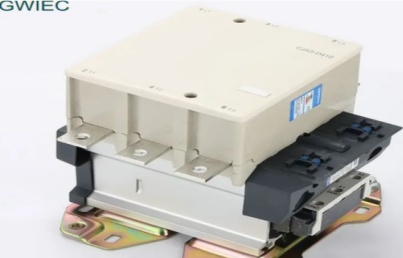
Common Symptoms and Solutions for a Bad AC Contactor
Symptom | Cause | Solution |
AC System Won’t Turn On | The contactor is not allowing electricity to the compressor | Test the contactor, replace it if necessary |
Short Cycling | The contacts are not staying engaged long enough | Inspect and replace the contactor if damaged or corroded |
Buzzing or Clicking Noises | The coil is working but contacts aren’t functioning properly | Test with a multimeter, replace the contactor if faulty |
Inconsistent Cooling | The contactor intermittently cuts power to the compressor | Test and replace the contactor if it’s not providing steady power |
Burning Smell or Discoloration | Electrical arcing due to worn contacts | Turn off the power, replace the contactor immediately |
When to Call a Professional
While replacing the AC contactor can be a straightforward DIY task, there are situations where it’s best to call a professional HVAC technician:
If you're unsure about working with electrical components: Handling electricity requires caution and proper knowledge. If you are unfamiliar with electrical systems, it’s safer to seek help from a professional.
If there are additional system issues: If you notice other issues with the AC unit after replacing the contactor, such as the system still not turning on or strange noises, a professional technician can diagnose and fix any other problems.
If you're unable to locate or access the contactor: Sometimes, the contactor may be difficult to access, or you may not be sure where it's located. A professional can help ensure the correct part is replaced.
Conclusion
Replacing a faulty AC contactor is an essential task that can restore the functionality of your air conditioning system and improve its efficiency. If you're comfortable working with electrical components, this replacement can be done safely with the right tools and precautions. However, if you're unsure or encounter any complications, it's always best to consult a professional HVAC technician to ensure proper installation and avoid further damage to your system.
At www.electrichina.com, we provide high-quality AC contactors and other components that can help keep your cooling system running smoothly. If you need assistance or more information, feel free to reach out to us for expert advice and reliable products.
FAQ
1. Can I replace an AC contactor myself?
Yes, replacing an AC contactor is a manageable task if you have experience with electrical systems. However, if you're unsure, it's always better to call a professional.
2. How do I know if the contactor is bad?
Signs of a bad AC contactor include the system not turning on, short cycling, unusual buzzing or clicking sounds, inconsistent cooling, and a burning smell.
3. What tools do I need to replace the AC contactor?
To replace the AC contactor, you will need a screwdriver, a multimeter to test the contacts, and possibly a socket wrench to remove screws or clips.
4. How much does it cost to replace an AC contactor?
The cost of the part typically ranges from $50 to $150, depending on your AC model. Labor costs for a professional installation can vary.


