An air conditioning system plays a crucial role in keeping your home or business comfortable, especially during hot weather. One essential component of your AC system is the contactor, which acts as a switch to control the flow of electricity to the compressor and condenser. When the contactor fails, your AC system may not work as expected, potentially causing significant discomfort and costly repairs. Recognizing the signs of a bad AC contactor is vital in preventing more severe issues. In this article, we will explore the symptoms of a failing contactor, how to test it, and how to replace it to ensure your AC system operates at its best.
Understanding the role of the AC contactor is the first step in identifying potential problems. The contactor is a relay switch responsible for allowing power to reach the compressor and condenser when the thermostat calls for cooling. If this component malfunctions, the air conditioning unit may fail to start or run improperly. A bad contactor can cause several issues, from system failure to inefficient cooling, so it's essential to know how to detect and resolve these issues early.
Signs Your AC Contactor is Bad
Several symptoms can indicate that your AC contactor is malfunctioning. Understanding these signs will help you identify the problem before it worsens.
Symptoms | Possible Cause | Solution |
AC won't turn on | The contactor is not allowing electricity to the compressor | Test contactor, replace if necessary |
Short cycling (AC turns on and off quickly) | The contacts are failing to engage properly | Inspect contactor, check for pitting or corrosion |
Buzzing or clicking noises | The coil is trying to engage, but contacts are not functioning | Test with multimeter, replace if defective |
Inconsistent cooling | Intermittent compressor operation due to bad contactor | Test and inspect for faulty contacts |
Burning smell or discoloration | Overheating due to electrical arcing | Turn off power immediately, replace contactor |
1. AC System Won’t Turn On
One of the most noticeable symptoms of a bad contactor is that your AC system won’t turn on when you adjust the thermostat. This is often caused by a failure in the contactor, which is responsible for supplying power to the compressor and condenser. If the contactor’s internal contacts become worn or corroded, they can fail to establish an electrical connection, preventing power from reaching the compressor.
In this case, the thermostat might still be signaling for cooling, but the contactor’s failure means the compressor and condenser won’t receive the necessary power to operate. If your AC unit isn't turning on at all, it’s worth inspecting the contactor, as this is a common culprit in such situations.
2. AC Unit Turns On But Shuts Off Quickly (Short Cycling)
Short cycling occurs when the AC unit turns on but then shuts off after a very short period. This issue is usually caused by a malfunctioning contactor, as the contacts may not stay engaged long enough to allow the compressor to run for a full cycle. The system will try to restart repeatedly, causing the unit to turn on and off in rapid succession.
Short cycling not only wastes energy but also puts unnecessary strain on the compressor and other components. Over time, this can lead to more serious issues and reduce the overall lifespan of your AC unit. If you notice your AC is short cycling, it could very well be a result of a faulty contactor that is not maintaining a steady connection.
3. Unusual Noises from the Contactor
Another telltale sign of a bad AC contactor is the presence of buzzing, clicking, or humming noises coming from the outdoor unit. These sounds indicate that the contactor's coil is trying to engage, but the contacts are not making a proper connection due to wear or corrosion.
Buzzing: This sound often occurs when the coil is energized, but the contacts fail to make a proper connection, preventing the system from fully engaging.
Clicking: A clicking sound is usually heard when the contactor is attempting to switch on or off, but the internal contacts are not functioning properly.
If you hear these noises, it’s a clear indication that the contactor may be malfunctioning, and the issue should be addressed promptly to avoid further damage to the system.
4. Inconsistent Cooling
Inconsistent cooling is another sign that the contactor might be faulty. If the contactor intermittently cuts power to the compressor, it can cause the compressor to turn off before it completes a full cycle. This results in uneven cooling, where certain areas of your home may stay warm while others get cold.
For example, you may notice that some rooms remain hot, while others feel cool and comfortable. This inconsistency can be frustrating, especially if the thermostat is set to a specific temperature. A faulty contactor can cause this behavior because the compressor is not running consistently or is intermittently receiving power.
5. Burning Smell or Discoloration
One of the most serious signs of a bad AC contactor is a burning smell or visible discoloration around the contactor itself. This issue occurs when the contacts inside the contactor wear out, or if the coil is damaged, causing electrical arcing. The arcing generates significant heat, which can cause the contactor to overheat, potentially leading to a burning smell or visible damage to the component.
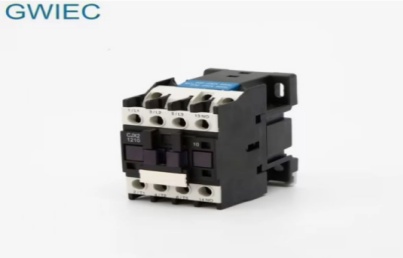
How to Test Your AC Contactor
If you notice any of the symptoms mentioned above, you can test the contactor to determine whether it is the source of the issue. Here’s how to do it safely:
Turn Off the Power
Always ensure that the power to the AC unit is off by switching off the breaker. This is essential for your safety when working with electrical components.
Locate the Contactor
The contactor is typically found in the outdoor unit of your AC system. It is usually located near the compressor and condenser.
Inspect for Visible Damage
Look for any visible signs of damage, such as discoloration, corrosion, or burning marks on the contactor. These are clear indicators that the contactor needs to be replaced.
Test the Contacts
Use a multimeter to check the resistance between the contacts. When the contactor is engaged, the multimeter should show a low resistance value. If there is no connection or high resistance, the contactor is likely faulty.
Test the Coil
Check the continuity of the contactor’s coil using the multimeter. If the coil doesn’t have continuity, it is another sign that the contactor is defective.
Replacing a Faulty AC Contactor
If you determine that the contactor is bad, replacing it is the best solution. Here’s a step-by-step guide to replacing the contactor:
Turn Off Power at the Breaker
Always turn off the power to the AC system at the breaker to ensure your safety.
Remove the Access Panel
Open the outdoor unit’s access panel to locate the contactor. It’s usually situated near the compressor and condenser.
Disconnect the Wires
Before removing the old contactor, take note of the wire connections. This will help you install the new contactor correctly.
Remove the Old Contactor
Carefully remove the old contactor from its position and discard it.
Install the New Contactor
Place the new contactor in the same position and reconnect the wires as per your notes.
Test the System
After installation, turn the power back on and test the system to ensure the new contactor is functioning properly.
Conclusion
Recognizing the signs of a bad AC contactor is essential to keeping your air conditioning system running smoothly. Common symptoms include the system not turning on, short cycling, buzzing noises, inconsistent cooling, and burning smells. Regular maintenance and timely replacement of the contactor can save you money on expensive repairs and extend the life of your AC system. If you suspect your AC contactor is faulty, perform a test with a multimeter or contact a professional HVAC technician to replace it.
For high-quality AC components, including contactors, visit www.electrichina.com for more information on our reliable products that ensure the efficiency of your cooling system.
FAQ
1. How do I know if my AC contactor is bad?
Signs of a bad contactor include the AC system not turning on, short cycling, buzzing or clicking noises, inconsistent cooling, and a burning smell around the contactor.
2. Can I replace the AC contactor myself?
Yes, if you have the proper tools and electrical knowledge, you can replace the AC contactor yourself. However, if you're not comfortable, it’s best to call a professional.
3. What happens if I don't replace a faulty AC contactor?
Ignoring a faulty contactor can lead to further damage to your AC system, including compressor failure, overheating, and more expensive repairs.
4. How much does it cost to replace an AC contactor?
The cost of replacing an AC contactor depends on the brand and model of your system, but typically the part costs between $50 and $150, with additional labor costs if you hire a technician.


