A smart circuit breaker is more than just an upgrade from the traditional electrical protection device—it is an intelligent solution designed to improve safety, efficiency, and convenience. Unlike standard breakers that simply trip during overloads or short circuits, smart circuit breakers integrate advanced monitoring, remote control, and data analysis capabilities. Consumers and businesses alike are increasingly asking the same question: are smart circuit breakers worth it? The answer depends on how you measure value, including both the upfront cost and the long-term return on investment. To understand the true worth of this technology, it is important to explore its financial benefits, safety advantages, lifestyle enhancements, and broader sustainability impact.
Cost Factors
The first consideration when evaluating smart circuit breakers is cost. Traditional circuit breakers are relatively inexpensive, widely available, and easy to install. Smart circuit breakers, however, carry a higher upfront price due to their advanced electronics, sensors, and connectivity features. Depending on the model and brand, the price difference can range from modest to significant.
Installation may also require additional investment. While some smart circuit breakers are designed to retrofit into existing electrical panels, others may require upgraded panels or compatible smart hubs. Businesses that manage large facilities or factories might face higher integration costs, especially if they are combining smart breakers with a larger energy management system.
These additional expenses often lead to hesitation. Yet, the true value of smart circuit breakers emerges over time, where savings and performance improvements can outweigh the initial investment.
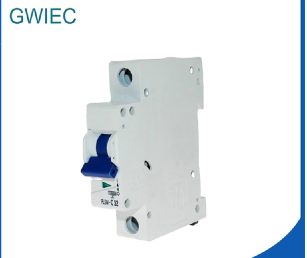
Long-Term Financial Benefits
Energy Savings
One of the most significant financial advantages of smart circuit breakers is their ability to improve energy efficiency. These devices continuously monitor power usage in real time, providing valuable insights into consumption patterns. By identifying wasteful usage, detecting inefficiencies, and allowing users to optimize their energy habits, smart circuit breakers help reduce unnecessary power consumption. For households, this can mean noticeably lower monthly electricity bills by shutting off idle appliances, balancing loads, or shifting usage to off-peak hours. For businesses, particularly those with energy-intensive operations such as manufacturing plants, data centers, or retail chains, the potential cost savings can be even more substantial. Over time, these savings make a meaningful difference in operating budgets.
Equipment Protection
Electrical surges, overloads, and short circuits are among the leading causes of damage to sensitive equipment. Repairing or replacing appliances, servers, or industrial machinery can result in significant expenses. Smart circuit breakers, however, are designed with advanced monitoring and rapid response capabilities that surpass traditional breakers. By reacting instantly to irregularities and cutting off power when needed, they reduce the risk of permanent equipment damage. This proactive protection not only saves on repair and replacement costs but also ensures the long-term reliability of valuable assets.
Reduced Downtime
For commercial and industrial environments, downtime is more than just an inconvenience—it directly translates into lost productivity and revenue. Smart circuit breakers provide an advantage by offering early warnings, enabling predictive maintenance, and isolating faults quickly before they spread. These functions help prevent unexpected outages, extend equipment lifespan, and maintain smooth operations. In many cases, the hidden savings from uninterrupted workflow and higher productivity can exceed the initial cost of the device within just a few years, making smart circuit breakers a wise financial investment.
Safety & Reliability Value
Safety is a cornerstone of electrical systems, and smart circuit breakers deliver enhanced protection. While traditional breakers protect against overloads, smart breakers go further by detecting abnormal patterns such as arc faults, ground faults, or irregular voltage fluctuations. These advanced features significantly reduce the risk of electrical fires, one of the leading causes of property damage worldwide.
Reliability also improves when using smart circuit breakers. Maintenance teams no longer need to guess the source of a problem or rely solely on physical inspections. Instead, real-time diagnostic data allows for targeted repairs and quicker resolutions. This proactive approach not only reduces repair costs but also builds confidence in the overall reliability of the electrical system.
When measured in terms of human safety, reduced fire hazards, and minimized system failures, the indirect value of smart circuit breakers is substantial.
Convenience & Lifestyle Enhancement
Beyond cost and safety, smart circuit breakers contribute to convenience and lifestyle improvements. Through Wi-Fi or app connectivity, users can remotely control individual circuits. Imagine being able to shut off the oven, reset a tripped breaker, or monitor energy use directly from a smartphone while away from home.
In smart homes, smart circuit breakers integrate seamlessly with automation systems, enhancing comfort and efficiency. They enable customized schedules, voice commands, and detailed energy reports that empower homeowners to make better decisions about their energy usage.
For commercial properties, facility managers can control lighting, heating, and other systems remotely, reducing operational overhead. In industrial settings, smart circuit breakers contribute to smarter building management, optimizing energy distribution across large facilities.
This level of control and monitoring represents a lifestyle shift—electrical systems are no longer static but responsive, intelligent, and user-friendly.
Who Benefits the Most?
Home Users
For homeowners, smart circuit breakers deliver peace of mind and convenience. Energy monitoring helps reduce electricity bills, while advanced safety features protect families from potential fire hazards. Remote access ensures users can manage power even when traveling, providing added security and control.
Commercial Properties
Businesses benefit from improved energy management and operational efficiency. Office buildings, shopping malls, and hotels can use smart circuit breakers to control lighting, HVAC, and other systems, lowering costs while improving sustainability. Predictive maintenance also reduces downtime, making operations smoother and more reliable.
Industrial Environments
Factories and industrial facilities often see the greatest return on investment. Energy-intensive operations can leverage smart circuit breakers to manage loads, prevent costly machine damage, and maximize uptime. By combining smart breakers with industrial IoT systems, businesses gain insights that drive performance and sustainability goals.
ROI (Return on Investment) Perspective
Cost vs. Savings
The return on investment for smart circuit breakers varies depending on the scale of installation and the type of user. While a small home may take several years to recover the initial cost through energy savings alone, larger facilities often see faster payback periods due to reduced downtime and maintenance costs.
Beyond Money: Non-Economic Value
Not all benefits are purely financial. Smart circuit breakers contribute to environmental sustainability by encouraging efficient energy use and reducing waste. They support eco-friendly initiatives and align with global goals for carbon reduction.
Scalability is another important factor. As energy systems evolve, smart circuit breakers can adapt and integrate with renewable energy sources, battery storage, and advanced grid technologies. This future-proof design ensures that today’s investment continues to deliver value for decades to come.
Conclusion
So, are smart circuit breakers worth it? The answer is definitely yes—provided you look beyond the upfront cost. While smart circuit breakers may come at a higher price than traditional ones, their long-term advantages make them a solid investment. They deliver measurable financial benefits through energy savings, reduce risks of equipment damage, and ensure greater safety against electrical hazards. In addition, their remote control and monitoring capabilities enhance convenience for homeowners, while commercial and industrial users gain even greater value by improving operational efficiency, reducing downtime, and supporting sustainability goals.
A smart circuit breaker is more than just an electrical device—it represents a forward-thinking approach to safety, reliability, and intelligent energy management. For those considering an upgrade, partnering with a trusted supplier is crucial. GWIEC Electric, a professional manufacturer of circuit protection solutions, offers high-quality smart circuit breakers designed for both residential and industrial needs. Their products meet international standards, ensuring dependable performance and long-term peace of mind.
If you are planning to enhance your electrical system with smarter, safer, and more efficient solutions, exploring what GWIEC Electric has to offer is an excellent place to start. Contact GWIEC today to discover the right smart circuit breaker for your needs.


